
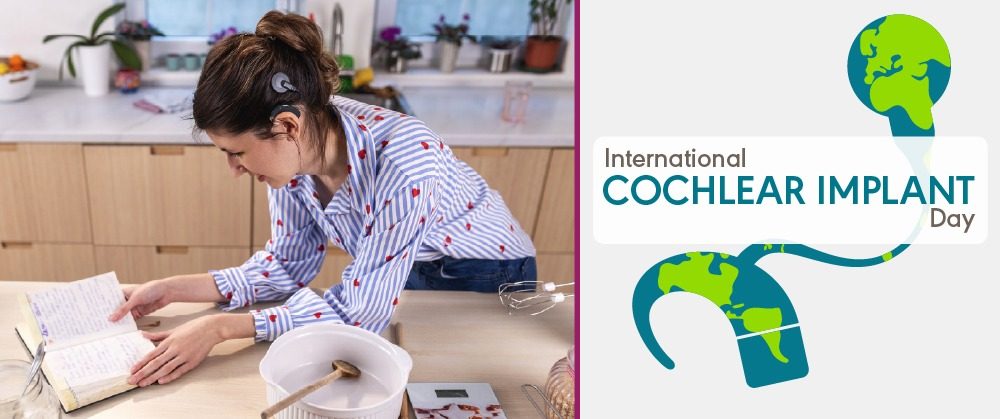
More than 180,000 individuals in the United States alone have a cochlear implant, and it’s estimated that millions more could benefit from one. In recognition of International Cochlear Implant Day later this week, we’re highlighting a sample of the new research on cochlear implants published in ASHA Journals throughout the past year.
Cochlear Implants in Adults
Clinical Adaptation of the Minimum Speech Test Battery–Version 3: The Minimum Speech Test Battery–Version 3, released in 2024, can help you determine cochlear implant candidacy and assess cochlear implant performance. The authors found that in the 2 years since its development, this test battery has led to increased consistency in both evaluation and follow-up care, although clinicians may need further training on it.
Social Network Characteristics and Their Relations to Speech Recognition and Quality of Life in Adult Cochlear Implant Users: Although cochlear implants can enable adults to communicate more effectively, outcomes remain highly variable, and many users continue to experience communication issues. Find out how an individual’s social network can affect communication and overall quality of life.
Cochlear Implants in Children
Unveiling Tech Trends: Exploring Tech Usage Patterns in Young Cochlear Implant Recipients: Understanding how young cochlear implant (CI) recipients use technology can help you better support them and teach them about accessibility features. This study shows that children with CIs prefer text-based communication and gaming.
The Effect of Family Structure on the Cochlear Implant Experience of Children: Children who receive cochlear implants at a younger age demonstrate superior auditory and language benefits. Learn how factors such as family structure, living arrangement, and race can affect when, how, and if caregivers seek cochlear implantation.
The Latest on Bimodal Solutions
Investigating Bimodal Fitting Solutions in Children: Children with a CI in one ear and a hearing aid in the other often experience benefits, despite the challenges associated with mismatched inputs. Individualized hearing aid settings can better ensure that children with bimodal fittings can hear in challenging listening situations.
Effects of Hearing Aids on Mandarin Voice Emotion Recognition With Bimodal Listeners: CI users have reported deficits in emotional perception. Using a contralateral hearing aid for a bimodal solution can help them identify emotions when listening to a speaker.
So Much More on CIs!
ASHA Journals published dozens of articles on CIs in 2025 alone. Head to ASHAWire to check them out—or use additional search filters to find exactly what you’re looking for.
International Cochlear Implant Day is a great opportunity to spread the word about the difference that a CI can make. Thank you so much for all that you do—and the numerous ways in which you help people with hearing loss every day.